
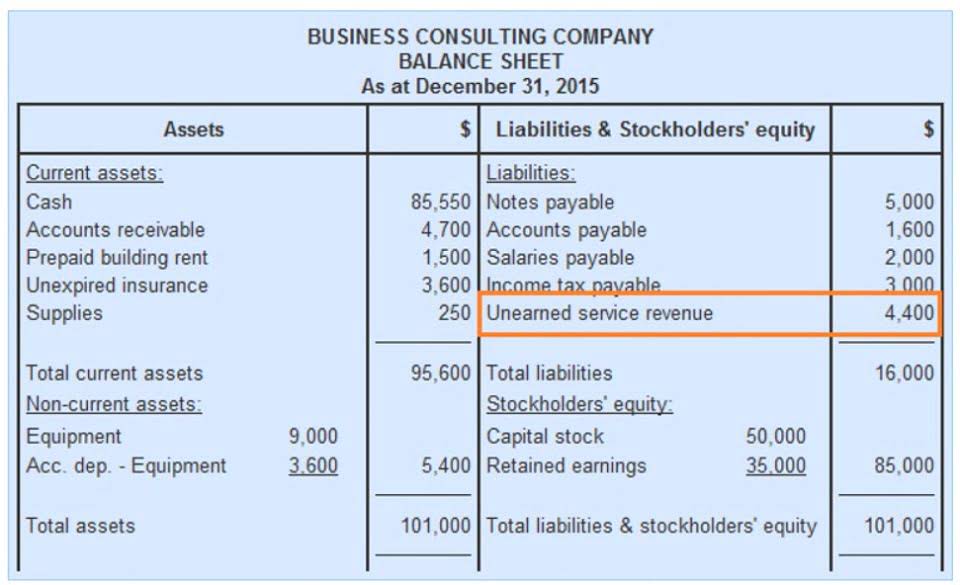
Markup is the retail price for a product minus its cost but the margin percentage is calculated differently. The markup in our example is the same as gross profit or $30 because the revenue was $100 and costs were $70. Markup percentage assets = liabilities + equity is shown as a percentage of costs, however, rather than a percentage of revenue.

How do I calculate a 20% profit margin?
Initial prices are set using markup, whereas margins are monitored to measure profitability, analyze operations, and compare profitability with industry benchmarks. Profit margin includes the total sales revenue before deducting any tax or other expenses. Most businesses will use the gross Outsource Invoicing profit margin to provide crucial insights into how effectively they use their resources to make and sell goods or services. Understanding the difference between margin and markup is essential for businesses to set prices that cover their costs and generate profits.
- It’s important to consider that this is simply a guideline and may not apply to your products or services.
- Margin, on the other hand, is the difference between your selling price and your production cost price.
- IMU refers to the percentage difference between the cost of a product and its initial selling price, reflecting the planned profit before any discounts or adjustments.
- This article will clarify gross margin vs. markup and help you understand the critical differences between the two.
- The integrated nature of Rippling’s platform means your financial data flows seamlessly between HR, IT, and finance functions, eliminating data silos.
- For example, restaurants typically set high initial markups ranging from 200% to 400% over wholesale costs to cover overhead such as labor and service.
Construction Markup vs Margin: Key Differences and The Importance of Each
So, the markup percentage you apply to a job will not equate to the same margin. To sum up, markup refers to the difference between the cost of goods and services and the price you charge (selling price). It is added to the price to ensure the profit and overhead expenses of the company are accounted for. The word “gross” is important since it tells us that this calculation is done at a high level before things like taxes and non-operational expenses are factored in.
- High initial markups, such as those set by restaurants and luxury goods providers, can cover overhead costs and target markets with lower price sensitivity.
- Markup and margin are two terms you’ll come across often in ecommerce.
- Getting markup and margin mixed up isn’t just a minor mistake—it can cost you thousands (or more) every year.
- When developing a pricing strategy, both online retailers and manufacturers often rely on a predetermined margin – either a minimum or target level.
- Owners tend to focus more on the margin and review the future vs past performance of the business to measure profitability and success compared to established targets.
- Conversely, if you think your goal markup should be the margin, you can accidentally be pricing your products too high.
FREE Wholesale Pricing Calculator
In consolidating this understanding further with marginal comparison, recall that I mentioned that ‘profit’ encapsulates a diverse range of expenditures against income. The difference between margin on one hand and markup on another will be examined succinctly as we proceed. While margin and markup are often confused as the same, they have a few key differences. As a business owner, you might very well know “it takes money to make money.” But how do you make more money while spending less? When you’ve reached your calculating your year-end performance however, it’s typically better to use margins. Be sure to differentiate between gross margins (the topic of this article), and net margins, which take into account other operating costs.

Pricing strategy impacts
Minor misunderstandings can lead to larger consequences if a company relies on the wrong metric or miscalculates either one. margin vs markup The profit margin helps businesses determine if they’re able to make a profit based on the cost of goods, labor, how their product is priced, and how many units are sold. Markups and margins both play key roles in pricing your products, and they can each be helpful in different situations.
- Markup is the amount that you increase the price of a product to determine the selling price.
- This ensures that while prices can automatically adjust to market changes, they never drop below a level that guarantees profitability.
- If your numbers are flawed in any way, you can cause a backlog of work for your fulfillment team or end up with piles of dead stock or cycle stock in the warehouse.
- This will provide you with some tools to properly build your estimates and calculations.